Let’s start with the name! The term “vanilla” comes from the Spanish word “vainilla,” meaning “little pod”, and refers to both the orchid plant and the fragrant pods it produces. The word “vanilla” has been used since the 16th century, when Spanish conquistadors first encountered the plant in Mexico and were captivated by its distinctive […]
Let’s start with the name!
The term “vanilla” comes from the Spanish word “vainilla,” meaning “little pod”, and refers to both the orchid plant and the fragrant pods it produces.
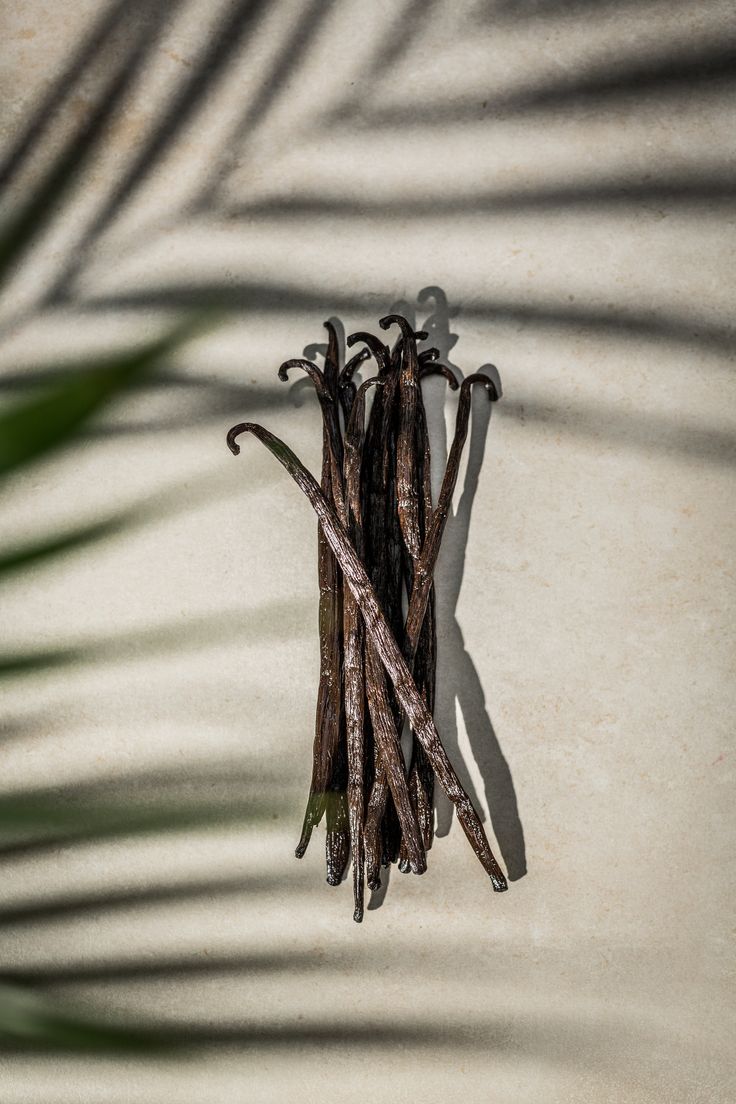
The word “vanilla” has been used since the 16th century, when Spanish conquistadors first encountered the plant in Mexico and were captivated by its distinctive flavor and scent. They named it “vainilla” due to the pod’s elongated shape.
Why we love it?!
Vanilla is cherished for its warmth, sweetness, and ability to inspire feelings of comfort and elegance, making it a popular note in perfumes worldwide.
With its unique ability to be both inviting and versatile, vanilla serves as a perfect base note in fragrances. Its scent can vary from sweet and soothing to deep and sensual, appealing to a wide array of tastes.
Often associated with nostalgia, warmth, and comfort, vanilla perfumes can feel like a cozy embrace, providing a sense of familiarity and tranquility. Despite its sweetness, vanilla has an undeniable sophistication, making it suitable for both casual and more formal occasions.
A little bit of history!
The rich aroma of vanilla comes from the vanilla bean plant (Vanilla planifolia), which originates in Mexico. Vanilla is native to the tropical regions of Central and South America, and was cultivated exclusively by indigenous peoples. However, today, vanilla is primarily cultivated in Madagascar, followed by Reunion, Comoros, Tahiti, and other tropical countries such as Mexico, French Polynesia, Indonesia and India. These regions provide the ideal climatic conditions for growing vanilla that continues to be one of the most precious spices in the world.
Why?!
The vanilla plant typically begins to flower two to three years after planting in tropical climate. Since bees and other pollinators cannot easily reach the delicate flowers, pollination is done manually. Growers carefully open the flower and transfer pollen from the male to the female part. Once pollinated, the flowers transform into green vanilla pods, which gradually ripen. The pods are hand-harvested when fully matured to avoid damaging the plant. After harvesting, the pods undergo a slow ripening process, which includes drying—often in the sun—for several weeks, followed by conditioning to the pods develop their signature aroma and rich, sweet flavor.
Once dried, dark brown and soft, the beans are sorted and packed. Some are sold whole, while others are ground or made into vanilla extract or absolute vanilla essential oil. The entire process requires great care and expertise to preserve the delicate scent and rich flavor of vanilla.
About Vanilin
In perfumery, the fragrance of vanilla is sometimes reproduced synthetically. Synthetic vanillin is chemically identical to the vanillin found in natural vanilla pods, sharing the same complexity, richness, and aroma. Vanillin forms in vanilla pods during their processing as a spice. It has a wonderfully fragrant scent similar to vanilla and a taste reminiscent of vanilla sugar. The best part is that vanillin can be produced at a much lower cost but nothing can beat the real Vanilla, the queen in perfumery!
Explore the Vanilla notes in our DIALMA perfumes!